

Lipids are the skin’s own natural fats and oils that form a protective barrier, preventing the skin's cells from drying out.
When this barrier is damaged, it doesn’t fix itself overnight. In mature skin, it can take up to a week to fully recover. During that time, the skin has fewer defences against moisture loss and irritation.
The right products can help support that process; here's what to look for.
In the article, we will cover what lipids are, what they do for the skin, what happens when they are gone, how to repair the skin's barrier, and how to choose the right long-term care.
What Are Lipids in Skincare?
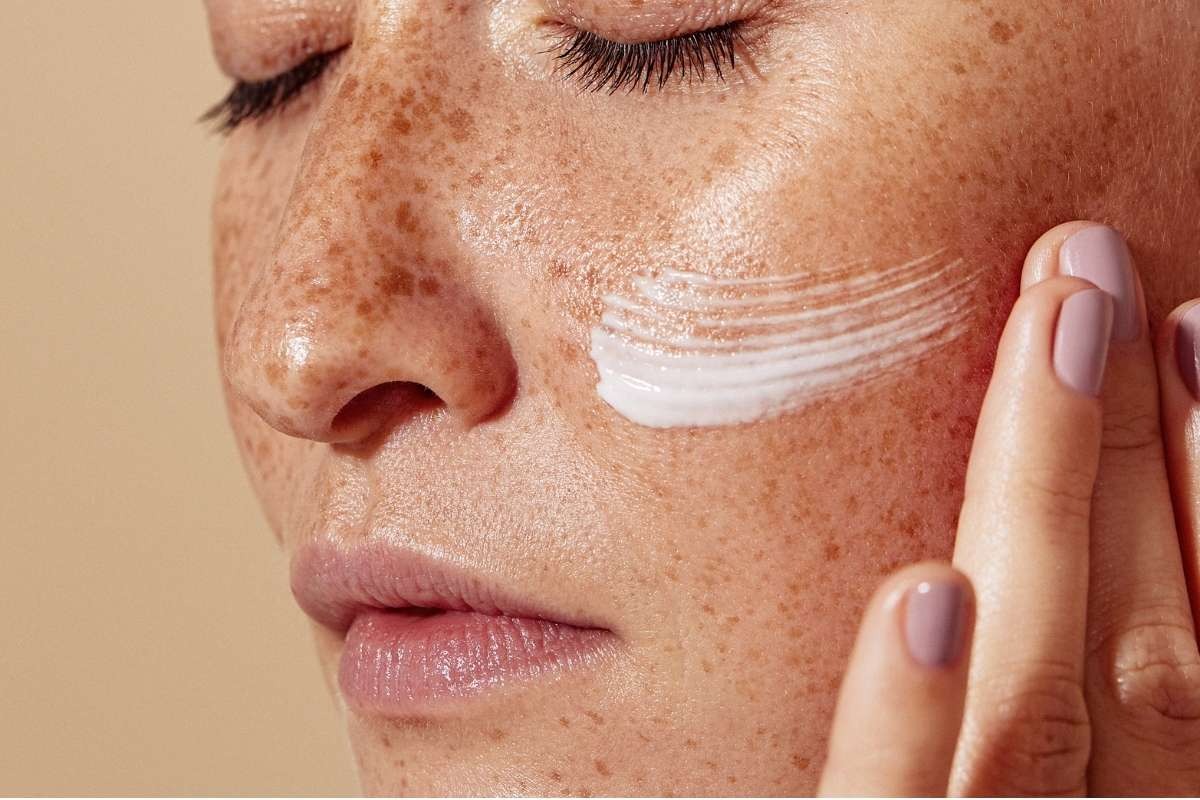
Skin cells (corneocytes) are the building blocks of skin, and lipids are like the glue that holds everything together. It is this structure that retains moisture and keeps out elements that might irritate the skin, like bacteria and allergens. When it comes to skin damage, lipids are what go first.
Skin cells don’t become unhealthy on their own; the lipids thin out, causing damage over time. Replenishing lipids quickly is what will prevent skin damage.
That glue is made up of three main lipids: ceramides (around 50%), cholesterol (27%), and fatty acids (10-15%). Skin needs all of these components together to form an effective barrier.
What Do Lipids Do for the Skin?
Lipids protect the skin from water loss and defend against irritants, but often it is framed as “adding moisture to the skin“, which is not strictly true. It is about prevention and protection. That is why barriers that are compromised display more redness, dryness, and sensitivity.
Ceramides
Ceramides bind the skin cells together and help hold onto moisture.
Cholesterol
Cholesterol is often associated with blood and heart health, but the skin produces its own, for an entirely different reason. Cholesterol in lipids supports the structure and flexibility of the barrier.
Fatty Acids
Fatty acids aid that same protective structure and support a smooth and comfortable skin texture.
When the barrier is healthy, skin stays comfortable rather than tight, and retains hydration throughout the day rather than feeling dry by the evening. It can also be more resilient. Changes in weather or new skincare products are less likely to trigger a flare-up.
What Happens When Your Skin’s Lipids Are Gone?
Before getting into the effects, it is worth discussing what may cause damage. Things like over-exfoliation, harsh cleaners, active ingredients like retinoids (when used without the right support), sun, and aging. A lot of these are done on purpose as part of a skincare routine, but without proper care, they can be harmful.
When the lipid barrier is depleted, skin will begin to feel dry, tight, or even flaky. It may become redder or become more sensitive to products or environments that did not previously cause a reaction. Cleansers, certain active ingredients, or even water may start to sting. Your skin may no longer feel smooth and may become rough.
These are signals from your skin that its defences are down and it needs support.
Not sure what your skin needs? Take our quiz to get personalized guidance. If the symptoms sound familiar, take a look at our hydrating skincare products, including SkinCeuticals Triple Lipid Restore 2:4:2 to start rebuilding your skin.

How to Repair Your Skin Barrier With Lipids
Skin will repair its barrier naturally over time in the right conditions. Young skin will restore 50-60% of its barrier lipids within 12 hours and be fully recovered in around three days. Older skin may require up to a week to be fully restored.
This is why lipid restoration products matter; they are not a replacement for the skin's repair process; rather, they provide the materials the skin requires for restoration. Delivering the raw materials straight to the skin means faster repair, less irritation, and less damage.
When searching for lipid-restoring products, it is important to bear in mind the components and to make sure they are all present:
- Ceramides (NP or AP) - for restoring the skin's ‘glue’ that holds cells together
- Cholesterol - for arranging the ceramides and fatty acids
- Fatty Acids (plant oils like jojoba, argan, etc.) - for making the skin feel smooth
Choosing the Right Lipid Skincare for Long-Term Barrier Health
A damaged skin barrier is vulnerable to irritation, so it is important to stop using skincare products like retinoids, AHAs, BHAs, and so on while the skin is repairing. Once the skin is repaired, they can be reintroduced gradually.
New products should be patch-tested first. A reactive barrier can respond unpredictably, even if that product wouldn't normally cause an issue. Since high-pH cleansers are often part of what can strip away the barrier, pairing a repair routine with a gentler, low-pH cleanser stops the damage every time skin is washed.
A resilient skin barrier isn’t some nice addition to healthy skin; it is what makes results last. Great skin is not about how it looks today; it is about a barrier that keeps it that way.
Give Your Skin the Support It Needs
Lipids hold the skin's protective barrier together. Made up of ceramides, cholesterol, and fatty acids, they retain moisture and defend against irritants. When it is compromised, the skin can become dry and sensitive. But the barrier will repair over time, and using the right replenishment routine speeds up the repair process.
Take the Skinsation SkinScore quiz to see what your skin needs. Or if your skin is crying out for barrier support, go straight to our hydrating skincare products and check out the SkinCeuticals Triple Lipid Restore 2:4:2, for a lipid complex built on the same natural three-ingredient formula your skin already relies on.

Comments